
From Industrial Icons to Political Takeover
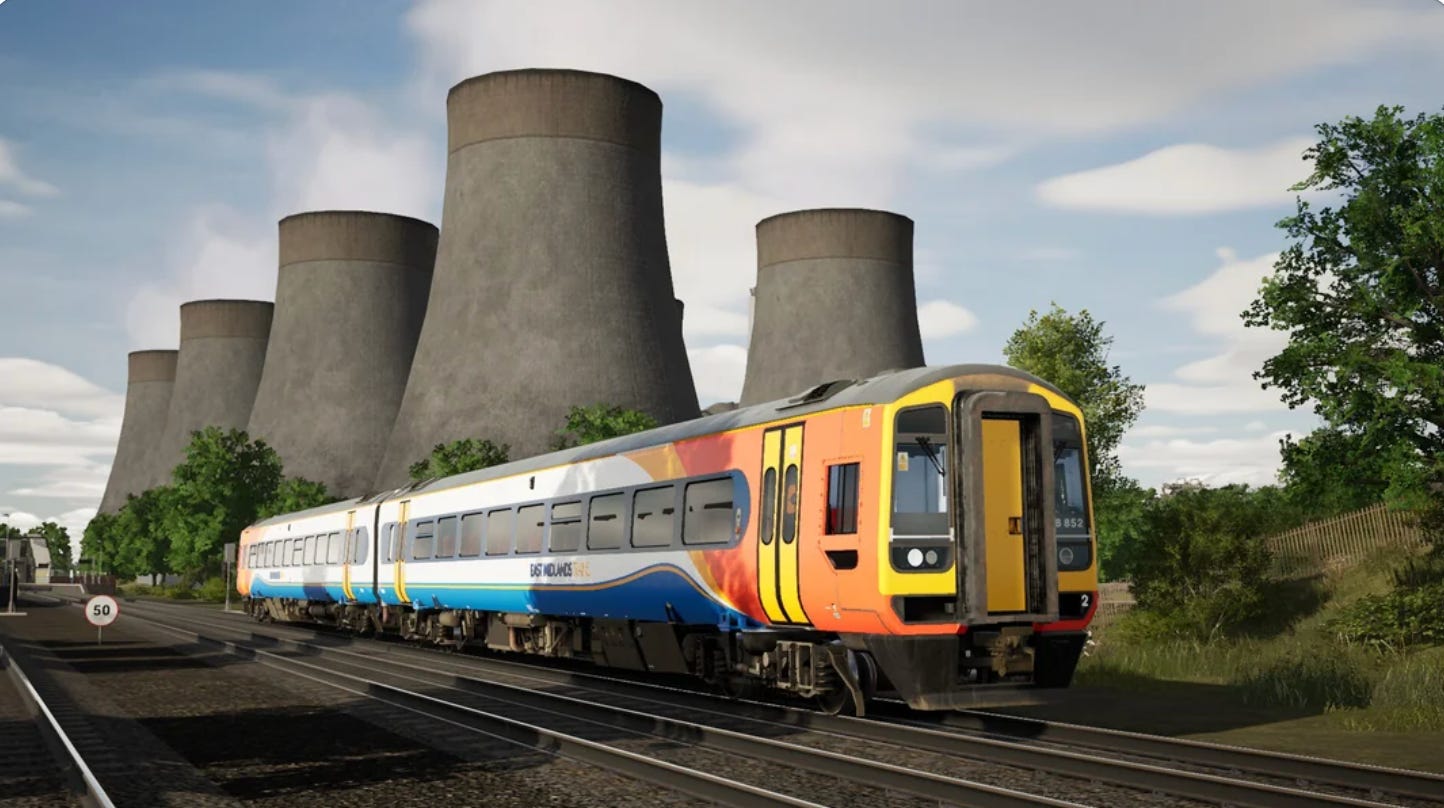
In March 2025, during a train journey from London St Pancras to East Midlands Airport, I passed the Ratcliffe-on-Soar Power Station in Nottinghamshire. The towering, now smoke-free cooling towers stood as a silent testament to the birth of the Industrial Revolution. A British gentleman sitting opposite me remarked that the true remnants of the UK’s industrial genesis lay in his hometown of Scunthorpe, North Lincolnshire, where the nation’s last two blast furnaces were still operating under the ownership of a Chinese private firm, Jingye Group.
That commercial reality dissolved just a month later.
In April 2025, bleeding £700,000 daily due to soaring energy costs, tariff pressures, and high carbon taxes, Jingye planned to halt the blast furnaces. The British government reacted with unprecedented speed. On Saturday, April 12, Parliament was recalled on a weekend for the first time since the 1982 Falklands War, passing an emergency bill within six and a half hours to assume temporary operational control over British Steel.
Following Labour’s historic defeat in the May 2026 local elections, the Starmer administration accelerated legislation to fully nationalize the company. After restructuring talks collapsed, the government introduced the Steel Industry (Nationalization) Bill, ending Chinese control over this strategic asset. While Downing Street maintains that steel remains a cornerstone supporting 33,000 direct jobs, it acknowledges that global overcapacity and high domestic operating costs present existential challenges.
Diplomatic Clashes and Valuation Chasms
On July 16, 2026, the nationalization bill officially took effect. Prime Minister Keir Starmer and Business Secretary Peter Kyle hailed the move as a defense of “vital sovereign capability” and green transition.
The backlash was immediate. On July 17, China’s Ministry of Commerce expressed “strong dissatisfaction and resolute opposition,” stating the forced nationalization “severely damages Jingye’s legitimate rights and shatters Chinese corporate confidence in UK investments.” Beijing emphasized that Jingye had sustained thousands of British jobs through massive capital injections into a historically loss-making enterprise.
Jingye Group also issued a stern statement against the UK’s position that compensation would only be paid “if any, is payable.” Jingye declared the move a “de facto expropriation” and demanded “prompt, adequate, and effective” compensation, warning that the decision threatens global confidence in the UK business environment. While the UK government allegedly floated a £100 million payout package, Jingye is holding out for a £1 billion valuation based on its accumulated multi-year investments, leaving a massive financial chasm between the two sides.
The Clash of Structural Realities and Green Transition
Scunthorpe’s steelworks have bounced between nationalization and privatization under alternating Labour and Conservative governments since 1949. By 21st century, the site was repeatedly abandoned by Western capital—bought by India’s Tata Steel in 2007, sold for a symbolic £1 to Greybull Capital in 2016, and driven into insolvency three years later before Jingye’s 2020 rescue.
However, the structural disadvantages of manufacturing in the UK ultimately overwhelmed commercial logic.
Industrial Decline: The UK’s annual crude steel output has dwindled to roughly 4 million tonnes—equivalent to just two weeks of production in Tangshan, China.
Aged Assets & High Energy Costs: Scunthorpe’s remaining blast furnaces were built in 1938 and 1954. Compounding this, the UK’s “marginal cost pricing” system ties industrial power grids to expensive natural gas, leaving electricity prices nearly 50% higher than the EU average.
Brexit Barriers & Carbon Taxes: As one of the UK’s largest carbon emitters, the plant faces steep penalties under the UK Emissions Trading Scheme (UK ETS). Post-Brexit customs barriers have further disrupted its vital export pipeline to the EU.
To save the business, Jingye proposed a £1.25 billion blueprint to replace the coal-reliant blast furnaces with modern Electric Arc Furnaces (EAF), which utilize recycled scrap metal and cut carbon emissions by 80%.
Yet, this plan collided with British political red lines. An EAF transition requires fewer workers, threatening 2,000 to 3,000 layoffs—a disaster for Labour’s union-backed employment pledges. Furthermore, defense hawks argued that abandoning blast furnaces strips the UK of its sovereign capability to forge “primary steel” from raw ore, creating a national security vulnerability. With government transition subsidies capped at a meager £300 million to £500 million, the impasse led to the state’s aggressive intervention.
The Road Ahead: An Industrial Postscript
Industry experts view the British Steel saga as a textbook case of political interference overriding market realities, culminating in a major international investment dispute. Moving forward, three distinct trends emerge:
A Growing Fiscal Black Hole: Under Jingye, the steelworks lost roughly £250 million annually. Fully nationalized, this drain falls squarely on British taxpayers, while the capital-starved EAF transition risks stalling entirely.
Legal and Reputational Fallouts: Having injected over £1.2 billion into British Steel over five years, Jingye has initiated consultation procedures under the UK-China Bilateral Investment Treaty (BIT), preparing for international arbitration. The dispute severely compromises London’s reputation for protecting foreign private property and contractual integrity.
The Trap of Isolationist Industrial Policy: Forced nationalization reflects a populist retreat from global supply chains. However, absent cheap energy, an integrated manufacturing ecosystem, or consistent policy frameworks, the UK’s quest for “steel sovereignty” will come at an exorbitant price.
Ultimately, the UK government faces two uncomfortable questions from global investors: Is this legalistic seizure true rule of law, or is it a political expropriation under the guise of national security? And can the British Treasury indefinitely bankroll a commercial drain that directly contradicts its 2035 net-zero goals?
The answers mirror the cold, disused cooling towers at Ratcliffe-on-Soar. The historic architecture longs to preserve the glory of the industrial past, but modern realities can no longer sustain it. While British politicians pass this hot potato down the line, the Chinese private investors who made immense financial sacrifices to preserve British jobs deserve fair and lawful treatment—not to be made the casualties of geopolitical friction and populist electoral math.
