

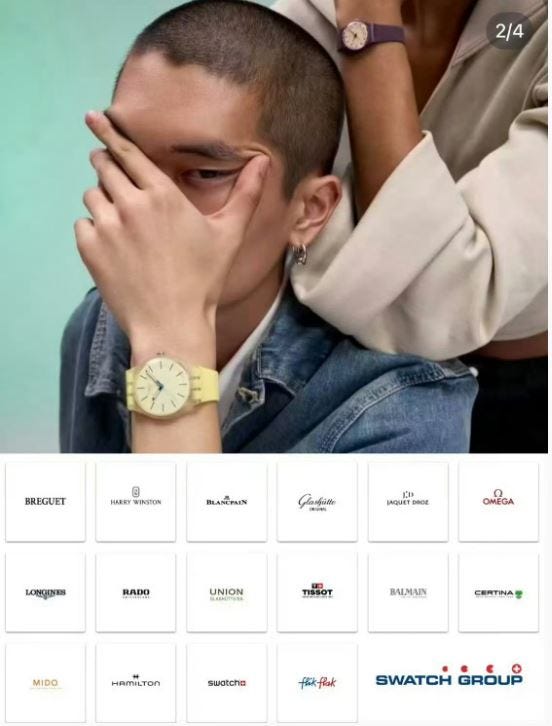
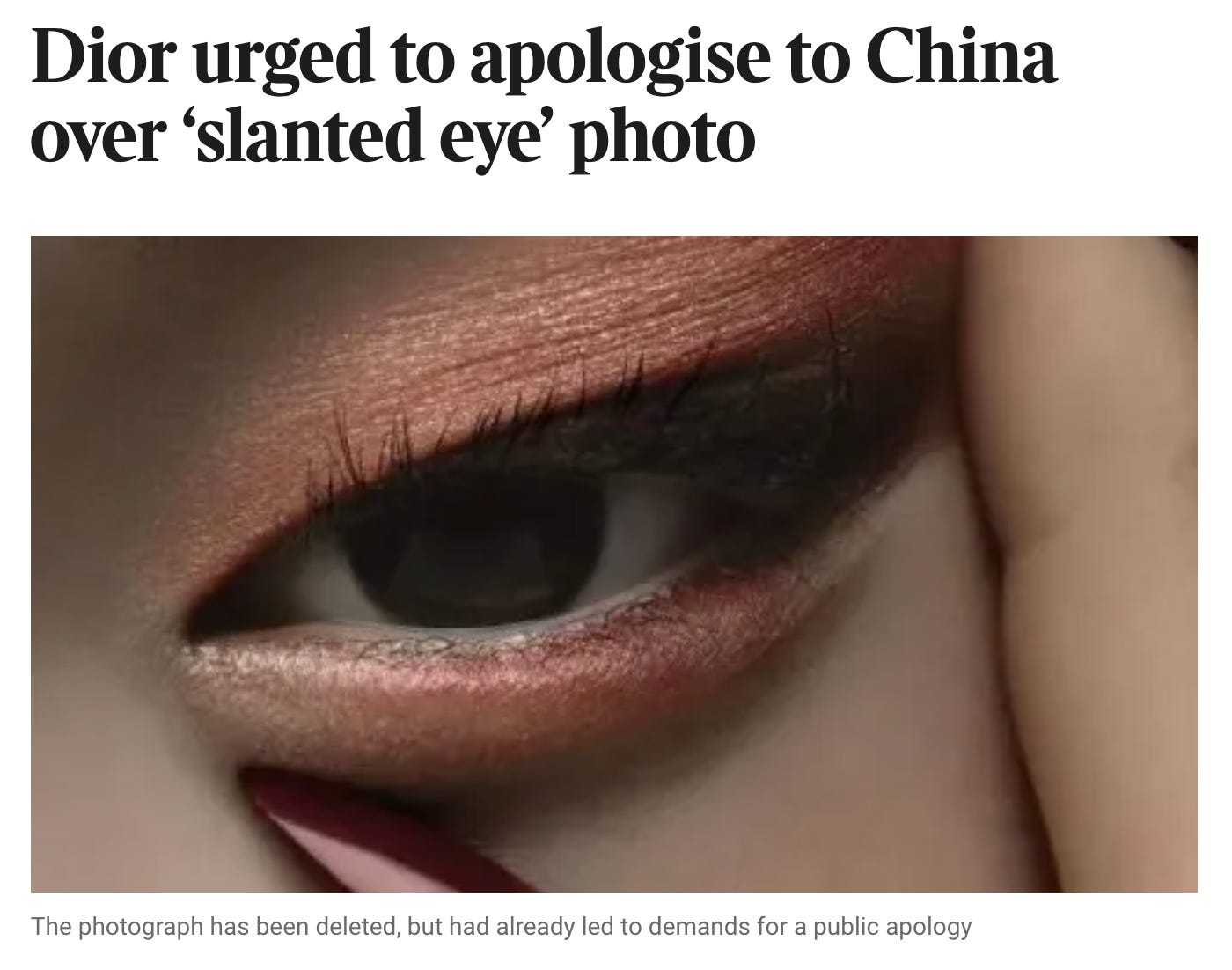
Swatch recently deleted promotional photos featuring models with exaggerated “slanted eyes” after backlash from many Asians who felt deeply offended. This kind of controversy is not new—brands like Dior and Dolce & Gabbana (D&G) have faced similar scandals involving Asian stereotypes or insensitive portrayals. Let’s explore why this sparked such a reaction, whether it’s racist, and why cultural sensitivity is crucial for global brands.
1. Why Were the Photos Offensive?
Stereotyping & Historical Lenses:
The depiction of “slanted eyes”—often through makeup, facial poses, or digital alteration—has a long history as a Western racial caricature targeting East Asians. It has been used to mock, dehumanize, and “other” Asians, particularly throughout the 19th and 20th centuries in Western media, propaganda, and popular culture.Modern Context:
For many in Asia and among Asian communities worldwide, such imagery is a painful reminder of discrimination and exoticization. Even if a brand’s intention isn’t malicious, the use of this trope triggers collective memory of marginalization.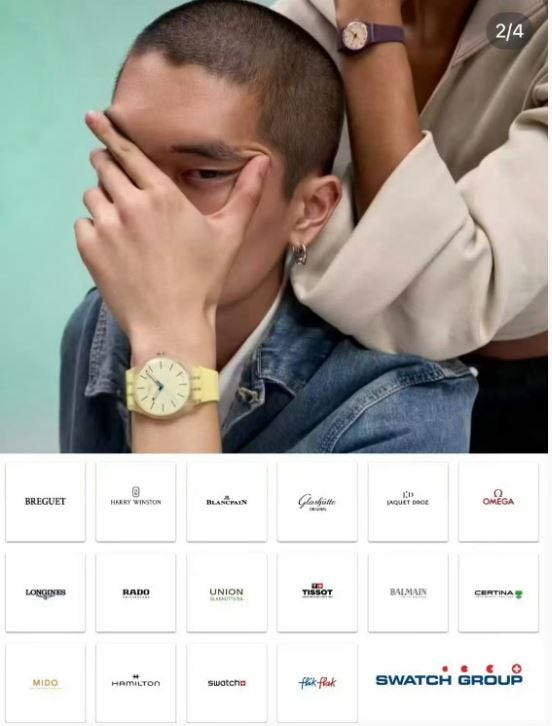

2. Is It Racist?
Racism vs. Ignorance:
Using exaggerated “slanted eyes” as a design or visual cue is widely regarded as an act of racial insensitivity, and in many contexts, it crosses into racism. It reduces a huge, diverse group of people to a single caricatured trait.Pattern of Mistakes:
The fact that Swatch, Dior, D&G, and others have run into similar scandals points to an ongoing lack of diversity, cultural awareness, and representative decision-making at many global brands—not necessarily active malice, but a failure to recognize (and respect) what certain imagery means in different societies.Intent vs. Impact:
Even if the intention was not to hurt, the impact widely felt as offensive should be the decisive factor for evaluating if something is racist or discriminatory.
Historical Roots of “Fox Eye”/"Slanted Eye" and Stereotypical Imagery
One CNN article in 2020 rightly highlights that "fox eye"/"Slanted Eye" poses and makeup echo historical stereotypes, such as the “yellowface” in Western entertainment and racist cartoons. These representations were not just about eyes—they were part of a broader narrative dehumanizing Asians, portraying them as eternal foreigners or objects of ridicule.
Modern “Trends” and Perceived Appropriation
The “fox eye”/"Slanted Eye" look, adopted by celebrities and influencers, is often presented as edgy or fashionable in the West without acknowledging its uncomfortable history. For many Asians, it’s hurtful when a feature that’s been mocked or used to exclude them is suddenly seen as desirable on non-Asian faces—often without credit or understanding.
Globalization and Social Media Amplification
What’s unique today is the instantaneous reaction through global social media. Whereas Asian voices used to be ignored or marginalized, now backlash and conversation happen in real-time, and trends are more rapidly scrutinized for cultural insensitivity or appropriation.
3. Why Is Cultural Sensitivity Essential?
Global Brand Reputation:
International brands operate in a multicultural world; insensitivity can instantly spark backlash, social media outrage, boycotts, and long-term damage to brand trust.Consumer Expectations:
Asian consumers, particularly in China and across East/Southeast Asia, are a major force in luxury and fashion spending. These markets are increasingly vocal about respect and representation.Inclusive Creativity:
Cultural sensitivity is not about “walking on eggshells.” It’s about creating work that resonates across cultures and avoids harmful clichés. This requires involving local voices, diverse creative teams, and active listening.Learning from History:
Globalization means what happens in one market is seen worldwide. Brands must learn from previous missteps—not just reactively, but proactively in campaign planning.
4. What Can Brands Do?
Diverse Teams:
Hire and listen to local staff and consultants in creative, marketing, and decision-making roles.Pre-launch Reviews:
Test campaigns with audiences from target markets to identify red flags before going public.Genuine Apologies:
When mistakes happen, act swiftly and sincerely—acknowledge the hurt, explain, and change practices.Long-term Commitment:
Go beyond “damage control”; cultivate cultural intelligence and inclusive values as a core part of the brand.
Summary:
Brands like Swatch, Dior, and D&G have faced backlash not just for a single image, but for deeper issues of stereotyping and insensitivity. Cultural sensitivity is now essential for global brands—not only to avoid offense, but to build genuine resonance, respect, and trust with diverse communities worldwide. When campaigns ignore history and lived experience, the cost is high—both reputationally and commercially.
China Decoded delivers the insights you need to navigate China's rapidly evolving tech and business landscape. Subscribe for daily intelligence that matters.